
A high class escort in Hamburg, booked with Felines, an international escort agency, comes to you at your hotel or in your own residence. Every date here is outcall, which suits a city where most visitors stay in one of a handful of grand addresses by the water.
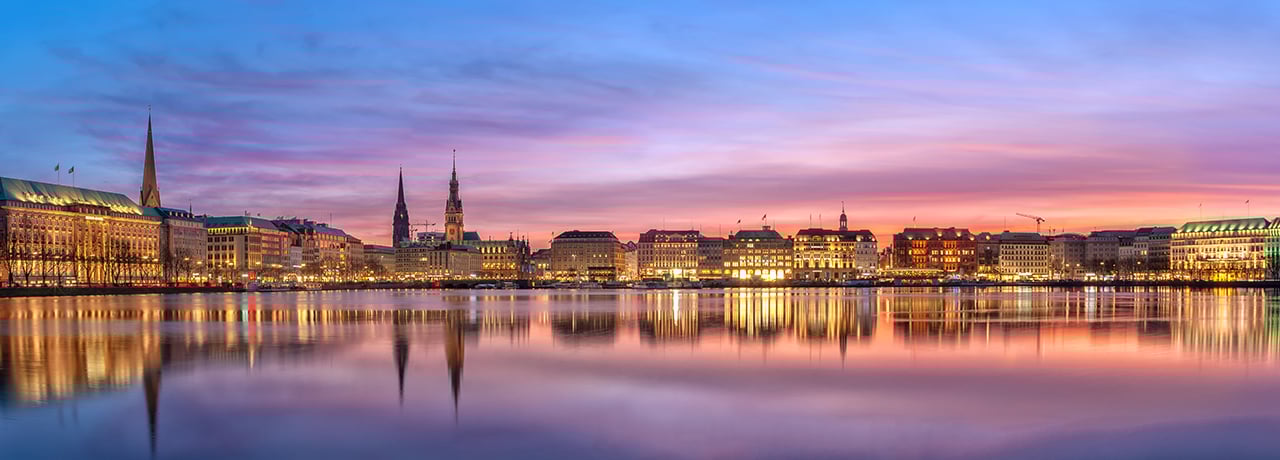
Hamburg is a city of two waters. The Alster, a pair of lakes in the middle of town, gives the centre its calm and its finest hotels; the Elbe, a few streets to the south, carries the port, the warehouses and the Elbphilharmonie. Most clients who book a VIP escort in Hamburg come for a trade fair, a concert season or a long weekend, and many plan their evenings around one side or the other.
The guide below starts on the Alster, crosses the old town and ends along the river, from HafenCity to the villas of the Elbchaussee.
The Inner Alster is lined by the Jungfernstieg and the arcades near the Rathaus; the Outer Alster, much larger, is ringed by gardens, rowing clubs and some of the city's quietest streets. Three of Hamburg's best-known hotels look onto one lake or the other.
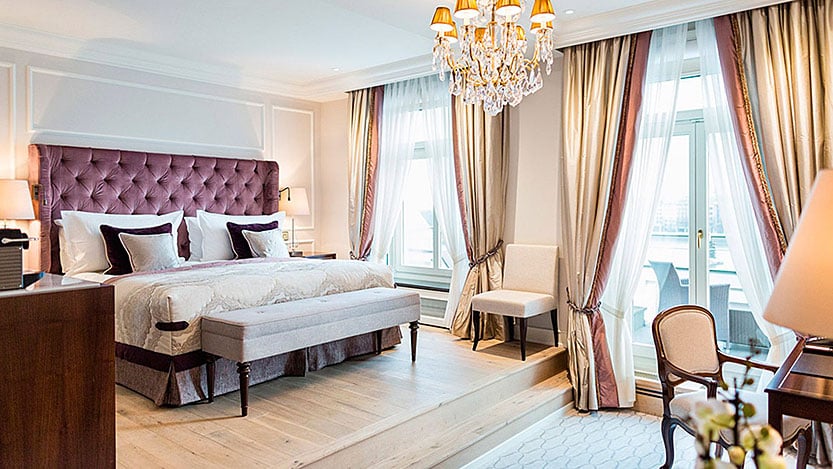
The Vier Jahreszeiten has faced the Inner Alster from the Neuer Jungfernstieg since 1897, and for many Hamburgers it is still the grand hotel of the city, the address for anniversaries and family celebrations. Its restaurant, Haerlin, has three Michelin stars, which makes dinner without leaving the building a serious option.
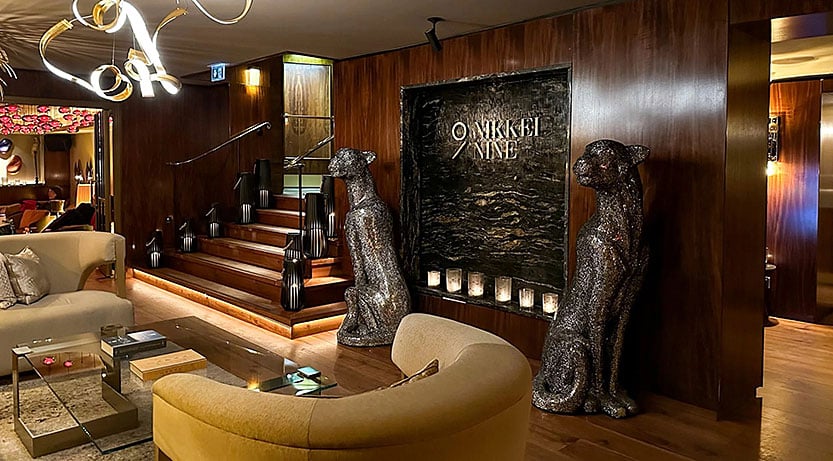
Under the same roof, Nikkei Nine serves Japanese-Peruvian cooking: ceviche, sushi and grilled dishes meant for sharing. It is less formal than Haerlin and a good choice when you first meet your escort and conversation matters more than ceremony.
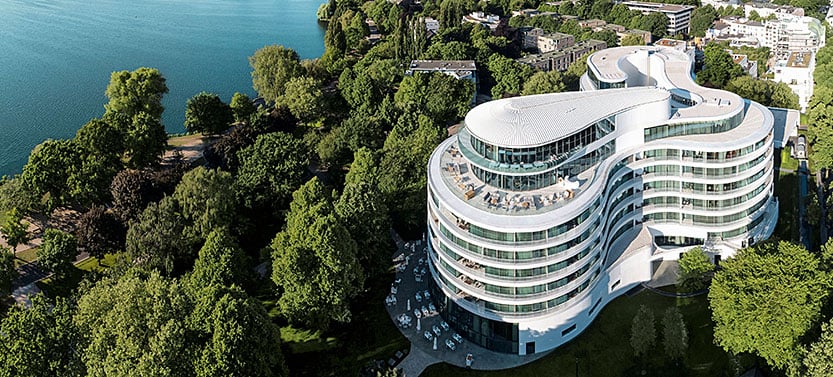
On the western shore of the Outer Alster, The Fontenay is a white, curving building of recent design, with rooms that look across the water towards the city's spires. The spa occupies the sixth floor, a thousand square metres around a twenty-metre pool, and Lakeside, the hotel's restaurant, was awarded two Michelin stars.
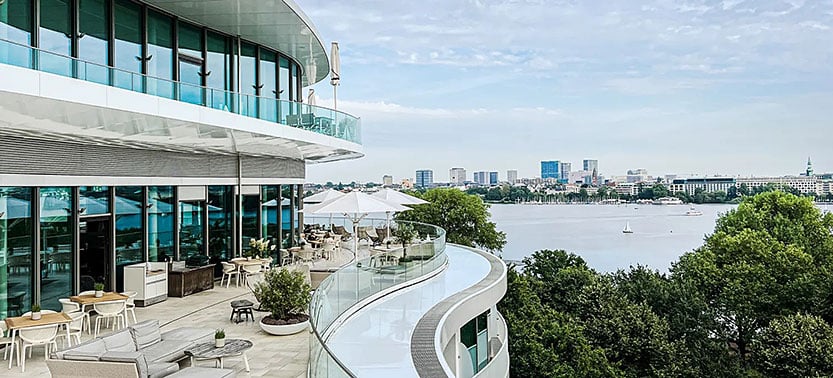
The Fontenay Bar sits at the top of the same building, with a terrace and a view that sweeps across most of the lake. Before dinner, at the hour when the sailing boats come in, it is one of the most pleasant places in Hamburg for a glass of champagne.
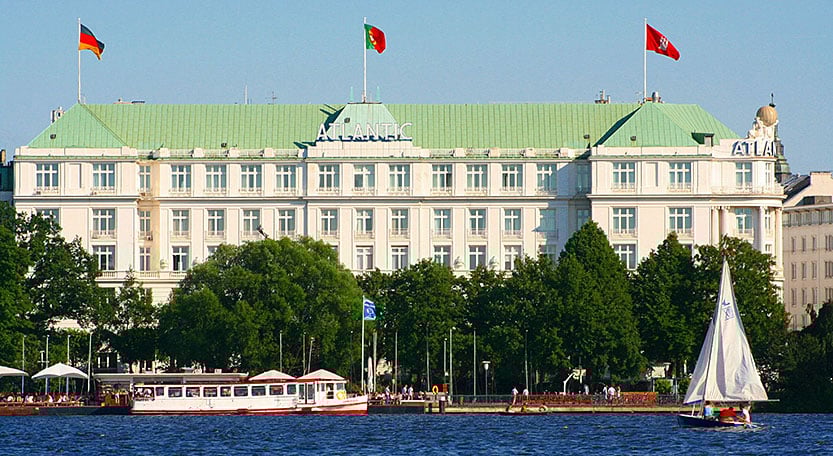
On the eastern shore, at An der Alster, the Hotel Atlantic opened in 1909 to receive passengers bound for the transatlantic liners, and its white facade remains a landmark of St. Georg. The rooms are being renewed in stages until mid-2027, and the spa reopens at the end of that work; until then, ask for one of the refurbished rooms facing the lake.
Between the Rathaus and the harbour, the old town keeps its canals, its Kontorhäuser and a few merchants' houses that survived the fire of 1842. Since September 2025 it also has a new grand hotel: the Conrad Hamburg, set in the Levantehaus, an Art Nouveau trading house of 1912, with a spa built around what the hotel calls the longest indoor pool in the city.
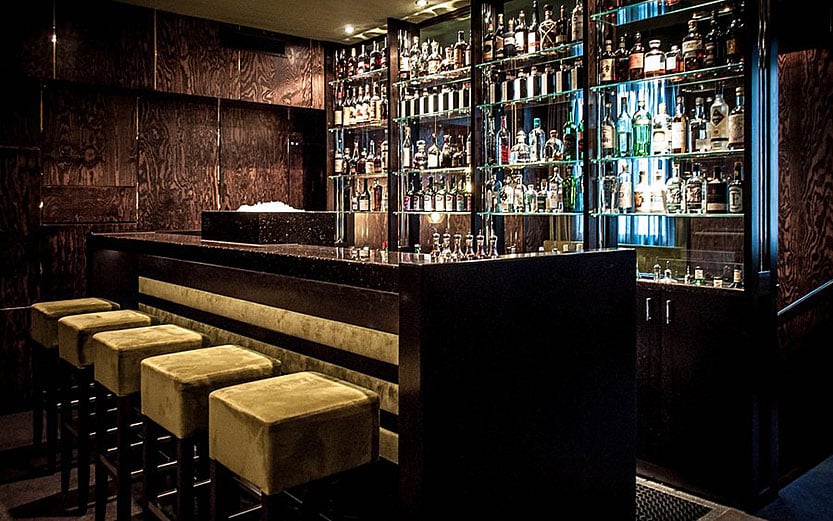
Le Lion, on Rathausstraße, opened in 2007 a few steps from the town hall. The Gin Basil Smash was created here the following year and has since travelled the world. The room is small, so it is wise to arrive early or to book.
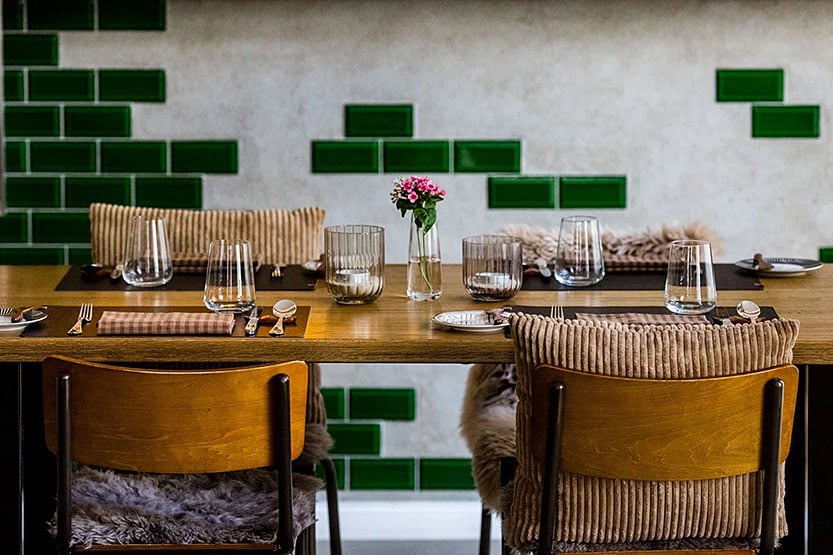
On the Deichstraße, among the old merchants' houses that back onto the canal, The Lisbeth is André Stolle's restaurant, with one Michelin star. The cooking revisits northern German classics, Königsberger Klopse or Hamburg's Pannfisch, in a lighter and more precise form, served as a tasting menu in the evening.
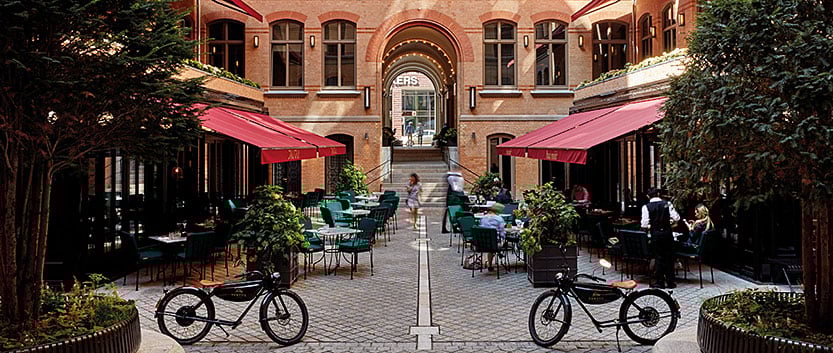
A short walk west, on the Stadthausbrücke, Tortue is a hotel with several bars and a garden on its roof, popular at the weekend, and its suites make a central base for a date that moves between the Alster and the port.
South of the old town, HafenCity has replaced the former docks with offices, promenades and some of Hamburg's most daring architecture. Its emblem stands at the very tip of the peninsula.
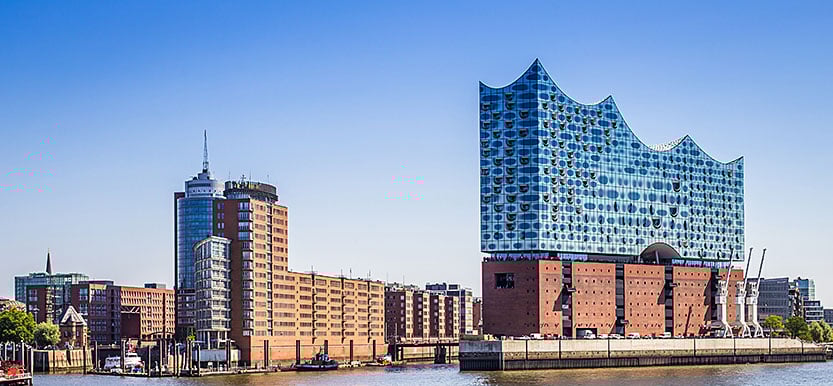
The Elbphilharmonie rises in glass waves above an old brick warehouse, the Kaispeicher. Its Great Hall seats the audience in terraces all around the orchestra, and the acoustics have made it one of the most sought-after concert halls in Europe. The Plaza, a public terrace on the eighth floor, circles the building at thirty-seven metres and stays open until midnight; since October 2026 entry carries a small charge.
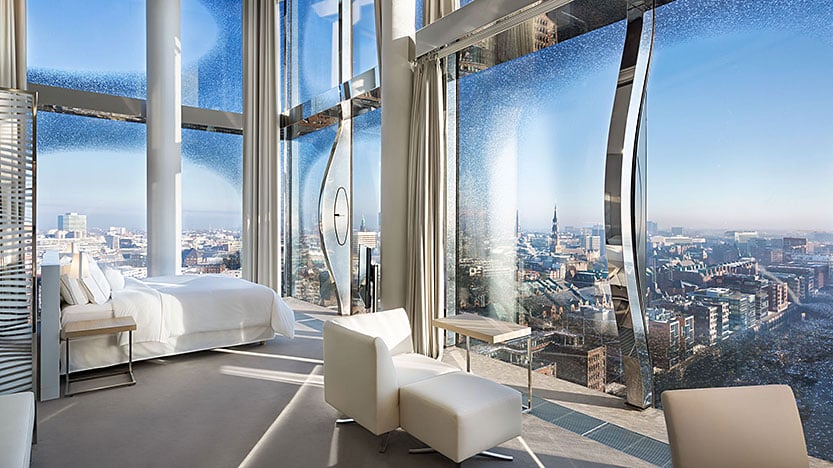
The Westin occupies the eastern part of the same building, over some twenty floors, so guests sleep a few steps from the concert hall. The windows frame either the port and its cranes or the rooftops of the city, and the Heavenly Spa, thirteen hundred square metres with a twenty-metre pool, is among the largest in Hamburg. For a concert followed by a late supper, it removes the need for a car altogether.
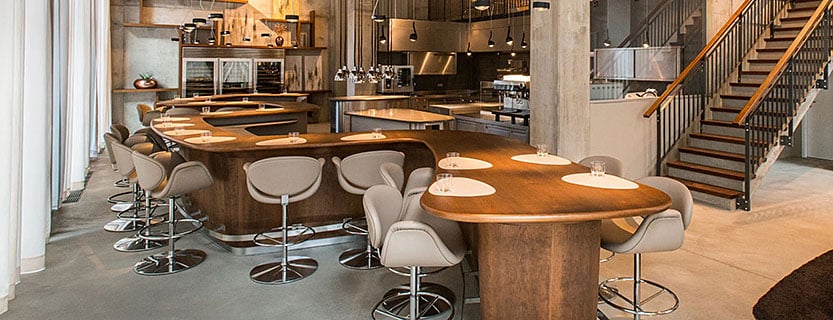
Nearby, on the ShanghaiAllee, Kevin Fehling's The Table is one of the city's two three-star restaurants. There are no separate tables: guests sit along a single curving counter of cherry wood that faces the open kitchen, which turns dinner into a performance followed at close range. Booking well ahead is essential.
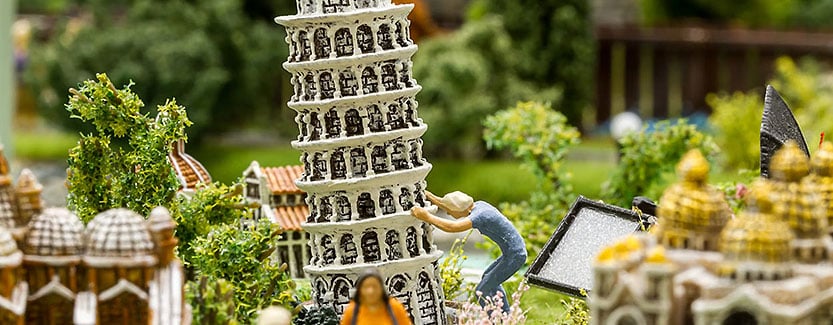
In the Speicherstadt, the red-brick warehouse district next to HafenCity, Miniatur Wunderland holds the largest model railway in the world. It sounds like an attraction for children; in practice, adults tend to stay far longer than planned, and the last hours of the day are the quietest.
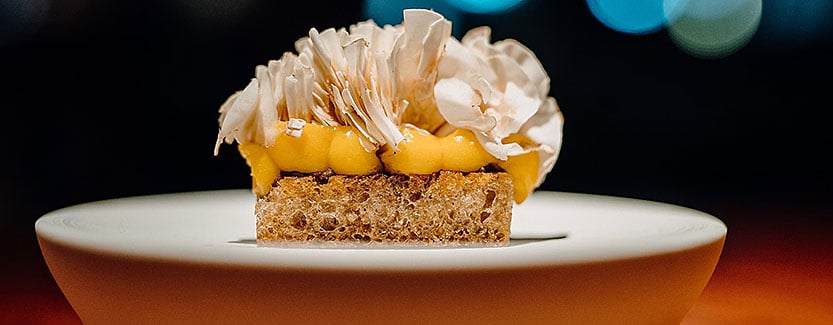
Further east along the Elbe, in Rothenburgsort, 100/200 Kitchen fills the third floor of a former factory by the water. It has two Michelin stars, plus the green star for sustainable cooking, and the menu is a surprise built on the season, with fermentation and smoke used throughout. The setting is industrial, the service warm, and the evening long.
West of the Landungsbrücken piers, St. Pauli mixes the port, the music clubs and some of Hamburg's best bars. It is livelier than the Alster and more relaxed than its reputation suggests.
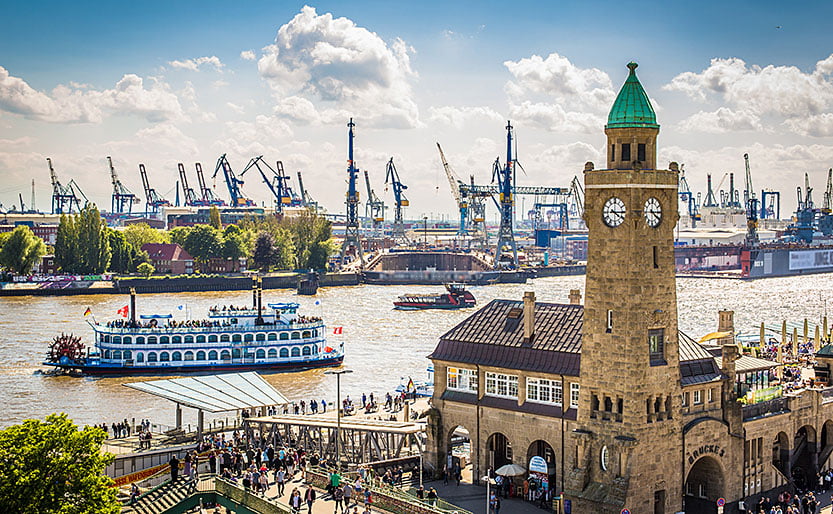
Hamburg is Germany's largest port, and the best way to see it is from the water, on a launch that slips between the container ships and the old warehouses. Each May the city celebrates the harbour's birthday with parades of ships and fireworks; in 2027 the Hafengeburtstag runs from 6 to 9 May.
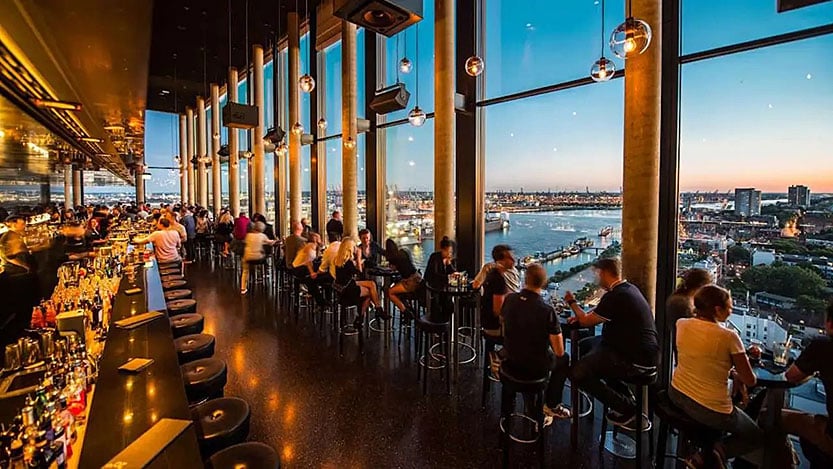
On the twentieth floor of the Empire Riverside hotel, about ninety metres above the river, Skyline Bar 20up looks straight down onto the cranes and the ships of the Elbe. Dusk is the moment to come, when the lights of the port come on one after another.
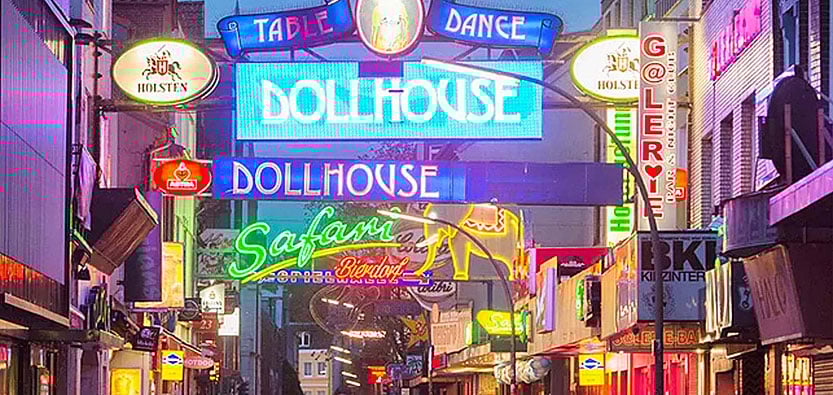
The Reeperbahn is St. Pauli's main avenue: theatres, music clubs and late bars side by side. Every September the Reeperbahn Festival brings concerts to around seventy venues in the district; the 2027 edition runs from 15 to 18 September.
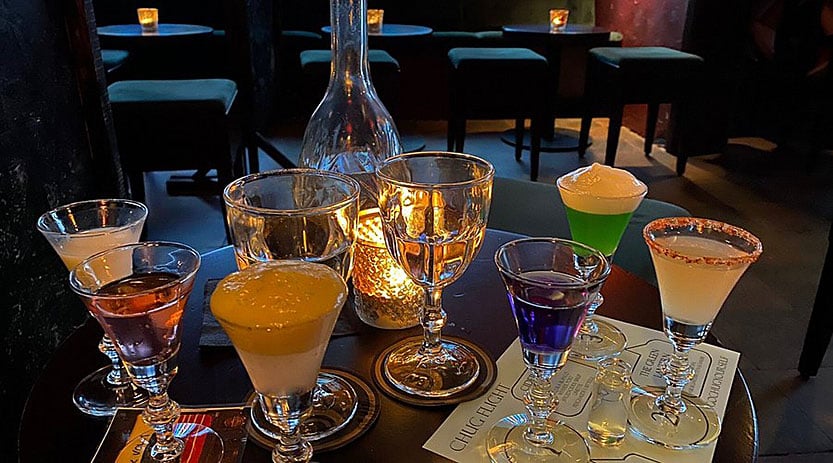
The Chug Club, on the Taubenstraße, is devoted to tequila and mezcal. Its speciality is the chug, a miniature cocktail, which makes it easy to try three or four in an evening without the evening getting away from you.
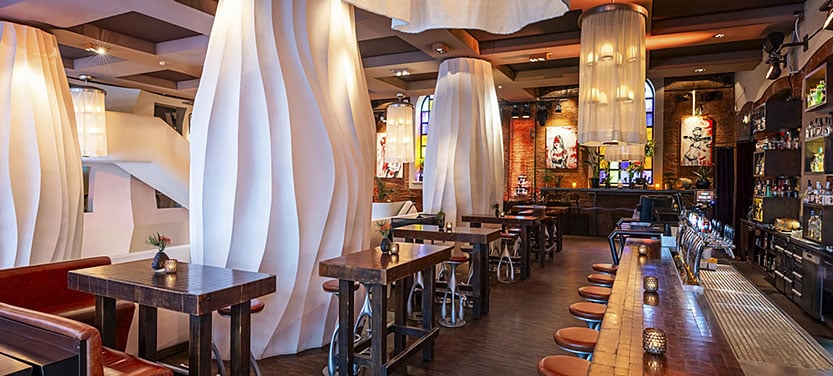
Yakshi's Bar belongs to the East hotel, on the Simon-von-Utrecht-Straße, built inside an iron foundry of 1888; the bar stands where the furnaces once were. The list runs to more than two hundred and fifty cocktails, and the bar is a calm place to end the night after the Reeperbahn.
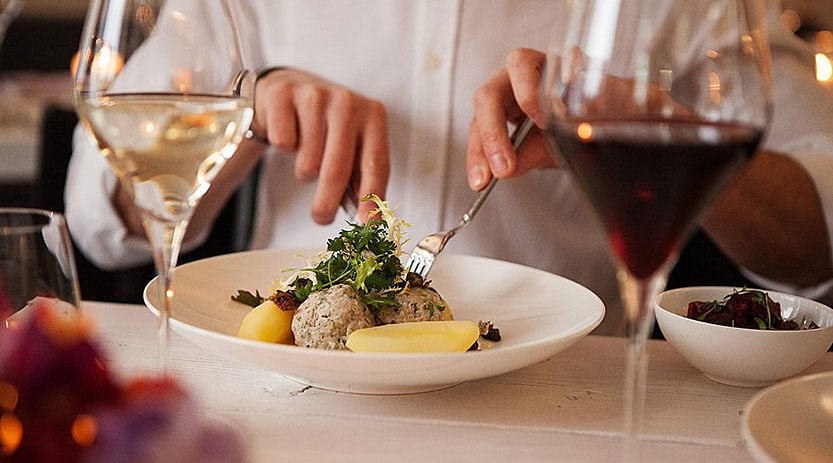
In the Karolinenviertel, a district of independent shops just north of the Reeperbahn, Philipp's Restaurant is tucked into a basement on the Turnerstraße. It is small, personal and popular with locals, the kind of address one keeps for a second visit to Hamburg.
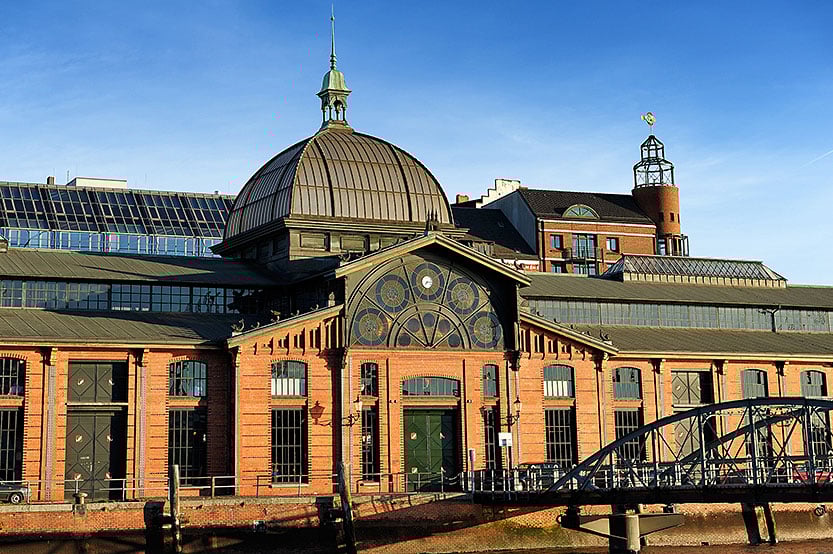
The Fischmarkt has been held on the riverbank since 1703, on Sunday mornings only: from five o'clock between April and October, from seven in winter, until half past nine. After a long Saturday night, breakfast with live music in the old fish auction hall is a Hamburg tradition.
Beyond St. Pauli, the Elbchaussee follows the river past parks, villas and old captains' houses. Here the city feels far away, although the centre is barely twenty minutes by car.
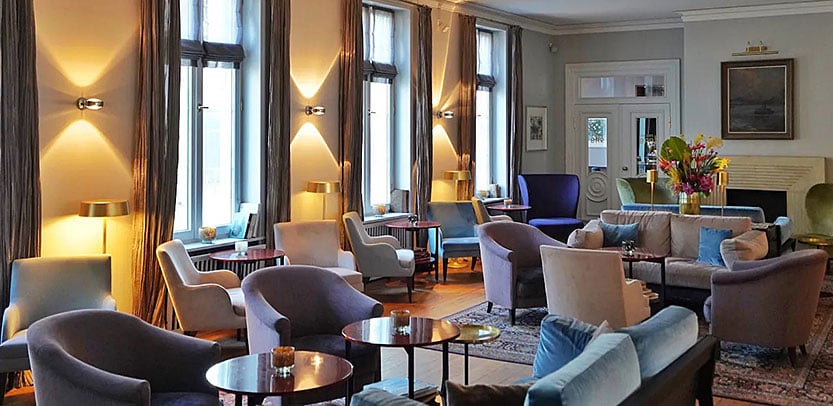
The Louis C. Jacob has stood on the Elbchaussee, in Nienstedten, since 1791, when Louis Jacob, a Huguenot gardener, opened a wine house here and laid out the terrace of lime trees that remains its signature. The rooms face the Elbe and the ships passing on their way to the North Sea. Since July 2025 the hotel has joined Marriott's Autograph Collection, while keeping its name and its character.
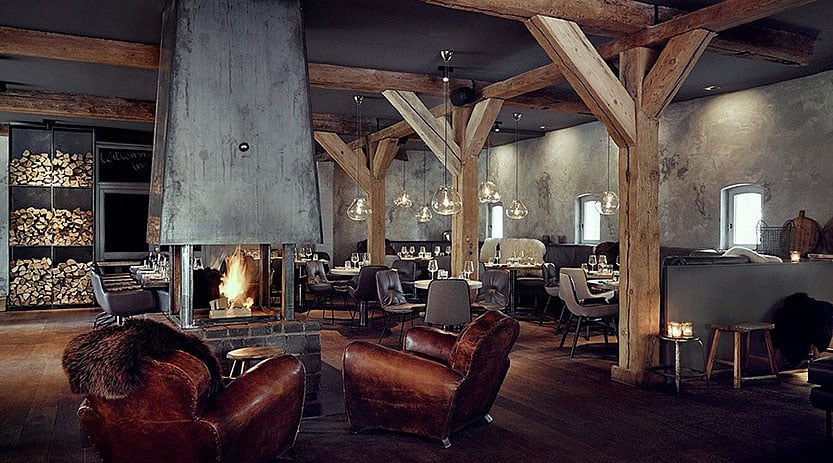
A few minutes inland, in Groß Flottbek, Hygge has moved into a former half-timbered stable on the Baron-Voght-Straße. The cooking is farm-to-table, generous and seasonal, and the Michelin guide gives it a Bib Gourmand. It makes a relaxed lunch before a walk along the river.
For a date in Hamburg, a day or two of notice is usually enough; a weekend, a trade fair week or a companion travelling from elsewhere in Europe needs a little more. Your escort comes to your hotel, or to your residence if you prefer. The difference between incall and outcall is explained in our guide, and only outcall is offered.
Fees depend on the length of the date and on the escort you choose, with travel costs charged on top in every case. The full details are on the rates page. You can look through the gallery, or tell us about your plans and let the agency propose a companion. When your dates and hotel are settled, contact the agency and we will take care of the rest.